
Breast Reconstruction
Breast reconstruction is a surgical technique that restores the shape and form of the breast following mastectomy or lumpectomy performed as part of breast cancer treatment. It is an essential component of a comprehensive treatment plan and should be discussed with every patient at the time breast cancer surgery is being considered.
Breast cancer is the most common cancer affecting women in Australia. Reconstruction options have advanced considerably and Dr Ajay Chauhan is experienced in all forms of breast reconstruction, including microsurgical tissue transfer using the patient's own tissue, implant-based reconstruction, and combined approaches.
Reconstruction can be performed at the time of mastectomy (immediate reconstruction) or at a later stage once cancer treatment is complete (delayed reconstruction). The most appropriate approach depends on the type of mastectomy, the need for adjuvant treatment such as radiotherapy, and individual patient factors.
Reconstruction Options
Breast reconstruction can be achieved using three primary approaches, each with different clinical indications, benefits, and recovery profiles. Dr Chauhan will discuss all relevant options during consultation and recommend the most appropriate approach based on your individual circumstances, cancer treatment plan, and anatomy.
-
Description Autologous reconstruction uses tissue from another part of the patient's body - most commonly the abdomen or inner thigh - to reconstruct the breast. This approach uses the patient's own living tissue to create a natural-feeling breast mound that changes naturally with the body over time.
Dr Chauhan performs microsurgical flap procedures including:
DIEP Flap (Deep Inferior Epigastric Perforator Flap): Uses skin and fat from the lower abdomen. A perforator-based technique that preserves the abdominal muscle, minimising donor site morbidity and allowing a full return to function.
PAP Flap (Profunda Artery Perforator Flap): Uses skin and fat from the inner thigh. Also a muscle-sparing perforator technique, suitable for patients who are not candidates for DIEP reconstruction or who prefer an alternative donor site.
Both flap techniques require microsurgical expertise to reconnect the blood vessels of the transferred tissue to vessels in the chest. Dr Chauhan has extensive experience in reconstructive microsurgery.text goes here
-
Implant-based reconstruction uses a breast implant to create the breast mound. It is generally a less complex procedure than autologous reconstruction and avoids a donor site scar. However, it may not be suitable for all patients, including some who have received or will receive chest wall radiotherapy.
Dr Chauhan typically performs implant reconstruction in the pre-pectoral position - in front of the chest muscles - in order to preserve normal pectoral muscle function. Implant reconstruction may be performed as:
Direct-To-Implant (Single Stage): A permanent implant is placed at the time of mastectomy where tissue quality and quantity allow. This avoids the need for a second procedure.
Two-Stage Reconstruction: A tissue expander is placed initially to gradually stretch the skin and chest wall tissue. This is followed by a second procedure to replace the expander with a permanent implant once the expansion is complete.
-
In some cases, a combination of the patient's own tissue and an implant produces the most appropriate outcome. This approach may be used where the available donor tissue alone is insufficient to achieve the desired volume, or where implant-based reconstruction alone would not provide adequate soft tissue coverage.

Fat Transfer in Breast Reconstruction
Fat transfer (lipofilling) is increasingly used as a refinement tool in breast reconstruction. Liposuction is used to harvest fat from another area of the body, which is then minimally injected into the reconstructed breast to improve volume, contour, and symmetry. Fat transfer can be used as a standalone technique for partial reconstruction following lumpectomy, or as an adjunct to implant-based or autologous reconstruction.

Immediate vs Delayed Reconstruction
Immediate reconstruction is performed at the same time as mastectomy. It offers the advantage of a single anaesthetic event and will preserve more of the natural breast skin envelope. However, it may not be appropriate in all clinical situations, including some cases where the breast cancer is aggressive and requires additional non-surgical treatment urgently.
Delayed reconstruction is performed once cancer treatment is complete. It allows the treating oncology team to finalise the treatment plan before reconstruction proceeds and ensures the tissues have recovered from any radiotherapy.
The decision between immediate and delayed reconstruction is made in consultation with the breast cancer surgeon, oncologist, and Dr Chauhan as part of a multidisciplinary approach.

Medicare and Breast Reconstruction
Breast reconstruction following mastectomy for breast cancer is covered by Medicare item numbers and is not a cosmetic procedure. Patients with appropriate private health insurance may also be eligible for hospital and anaesthesia rebates. Dr Chauhan's rooms can assist in clarifying your entitlements prior to surgery.
Breast Reconstructive Surgery Consultation
Dr Ajay Chauhan performs breast reconstruction in Brisbane. To organise a consultation, submit an enquiry online.
Frequently Asked Questions
-
Breast reconstruction should be discussed at the time breast cancer surgery is being planned. You do not need to decide immediately, but early discussion with a specialist plastic surgeon allows you to understand your options and incorporate reconstruction into your overall treatment plan.
Both immediate and delayed reconstruction may be viable options depending on your circumstances.
-
Immediate reconstruction is performed at the same time as the mastectomy. Delayed reconstruction is performed after cancer treatment, including any radiotherapy, is complete. The timing of reconstruction depends on the type of mastectomy, whether radiotherapy is planned, and individual patient factors.
Dr Chauhan will discuss the most appropriate timing with you and your breast cancer team.
-
A DIEP (Deep Inferior Epigastric Perforator) flap uses skin and fat from the lower abdomen to reconstruct the breast. Unlike older abdominal flap techniques, the DIEP flap spares the abdominal muscle entirely through perforator dissection, which reduces recovery time and preserves abdominal wall strength.
The tissue is transferred using microsurgical techniques to reconnect the blood supply.
-
A PAP (Profunda Artery Perforator) flap uses skin and fat from the inner thigh to reconstruct the breast. Like the DIEP flap, it is a muscle-sparing perforator technique performed using microsurgery.
It is an alternative for patients who are not suitable for DIEP reconstruction or who prefer a different donor site.
-
Breast reconstruction following mastectomy for breast cancer is a reconstructive procedure and may attract a Medicare rebate. It is not classified as cosmetic surgery. The rebate applicable will depend on the specific procedure performed and individual circumstances - it does not cover all expenses associated with surgery. Private health insurance may also contribute to hospital and anaesthesia costs depending on your level of cover.
Dr Chauhan's rooms can assist in clarifying what you may be entitled to claim prior to surgery.
-
Radiotherapy affects tissue quality and can influence the choice and timing of reconstruction. In general, implant-based reconstruction carries a higher complication rate in irradiated tissue, and autologous reconstruction using the patient's own tissue may be more appropriate in these cases. Using modern techniques, both types of reconstruction can still be effective even if radiotherapy is given. If radiotherapy is planned, delayed reconstruction may be recommended to allow the tissue to recover.
Dr Chauhan works closely with your treating oncology team to plan the most appropriate approach.
-
Recovery depends significantly on the type of reconstruction performed. Implant-based reconstruction generally has a shorter recovery than autologous flap procedures. For flap reconstruction, most patients require 4 to 6 weeks before returning to normal activity. Microsurgical procedures involve a hospital stay of several days.
Dr Chauhan will provide a detailed recovery plan specific to your procedure during consultation.
-
The goal of breast reconstruction is to restore the form and symmetry of the breast. Autologous reconstruction using the patient's own tissue tends to produce a natural look and feel, as the tissue responds similarly to the remaining breast tissue over time. Implant-based reconstruction can also achieve excellent aesthetic outcomes. In some cases, additional procedures such as nipple reconstruction or fat transfer may be used to refine the result.
Dr Chauhan will discuss realistic expectations during your consultation.
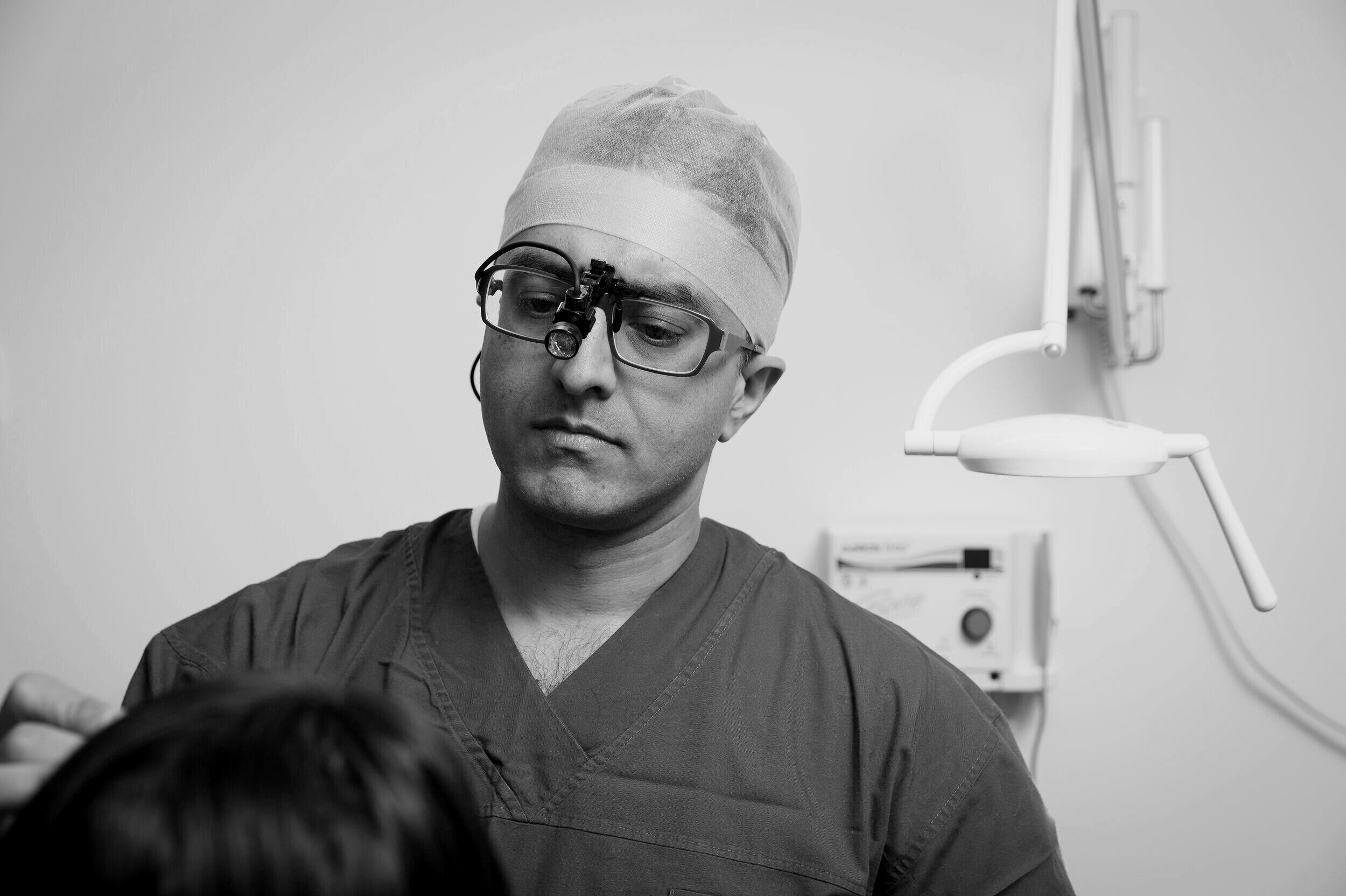
Dr Ajay Chauhan MBBS FRACS
Specialist Plastic Surgeon, Brisbane
Dr Ajay Chauhan is an Australian-trained Specialist Plastic Surgeon with Fellowship of the Royal Australasian College of Surgeons (FRACS). He completed his formal training in Plastic and Reconstructive Surgery in Brisbane in 2012, followed by post-fellowship training in France, Germany, India, and the United States.
Dr Chauhan is experienced in all forms of breast reconstruction, including microsurgical tissue transfer (DIEP and PAP flap), implant-based reconstruction, and combined approaches. He has worked as a Consultant Plastic Surgeon at the Peter MacCallum Cancer Centre in Melbourne - one of Australia's leading cancer centres - and at Monash Health, where he developed his reconstructive oncology expertise.
He is a member of the Australian Society of Plastic Surgeons (ASPS), the Australasian Society of Aesthetic Plastic Surgeons (ASAPS), the American Society of Plastic Surgeons, and the World Society of Reconstructive Microsurgeons (WSRM).
Dr Chauhan consults at Wesley Medical Centre, Auchenflower, and operates at The Wesley Private Hospital, Brisbane Private Hospital, and Westside Private Hospital.
AHPRA Registration: MED0001172663