
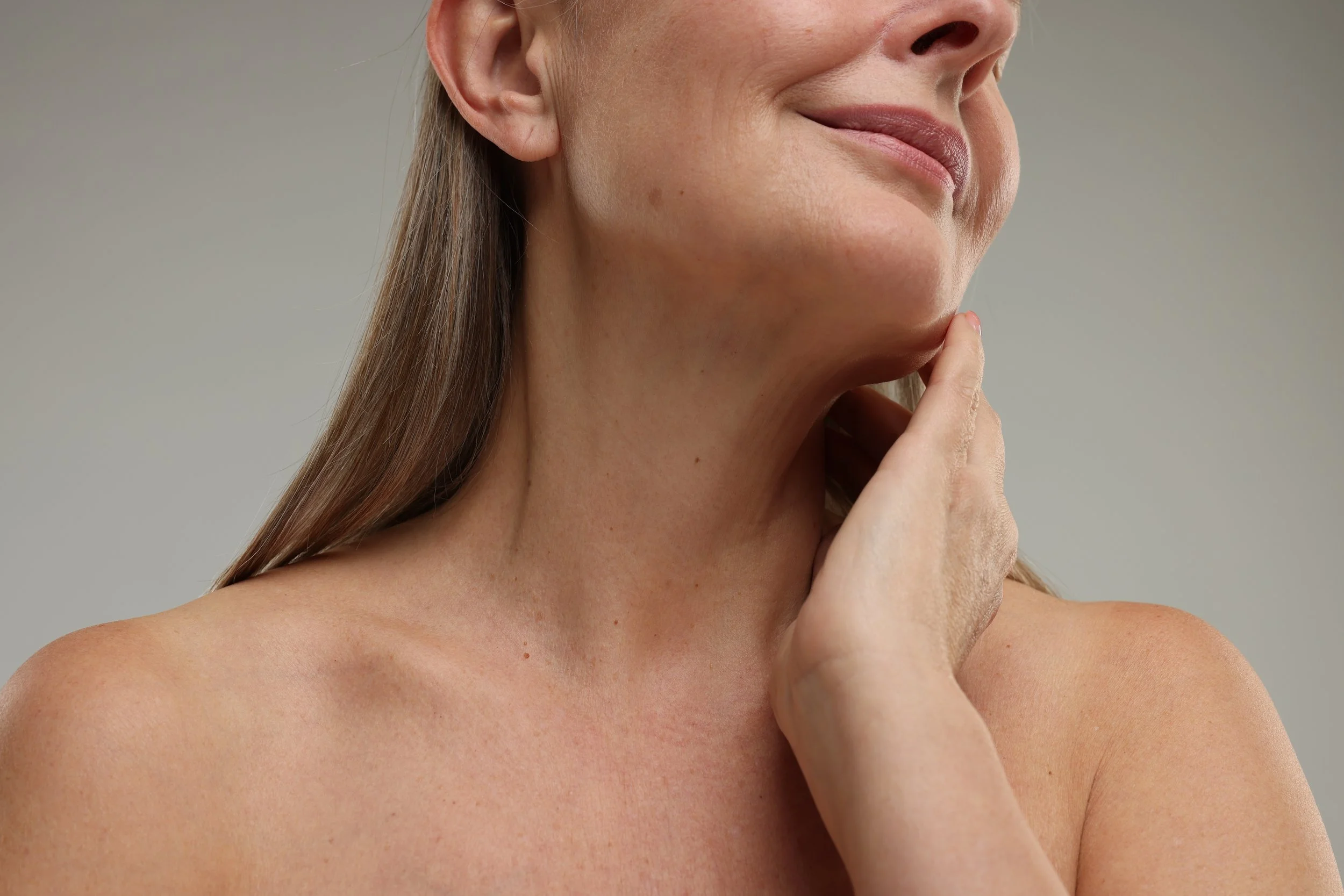
Facelift Surgery
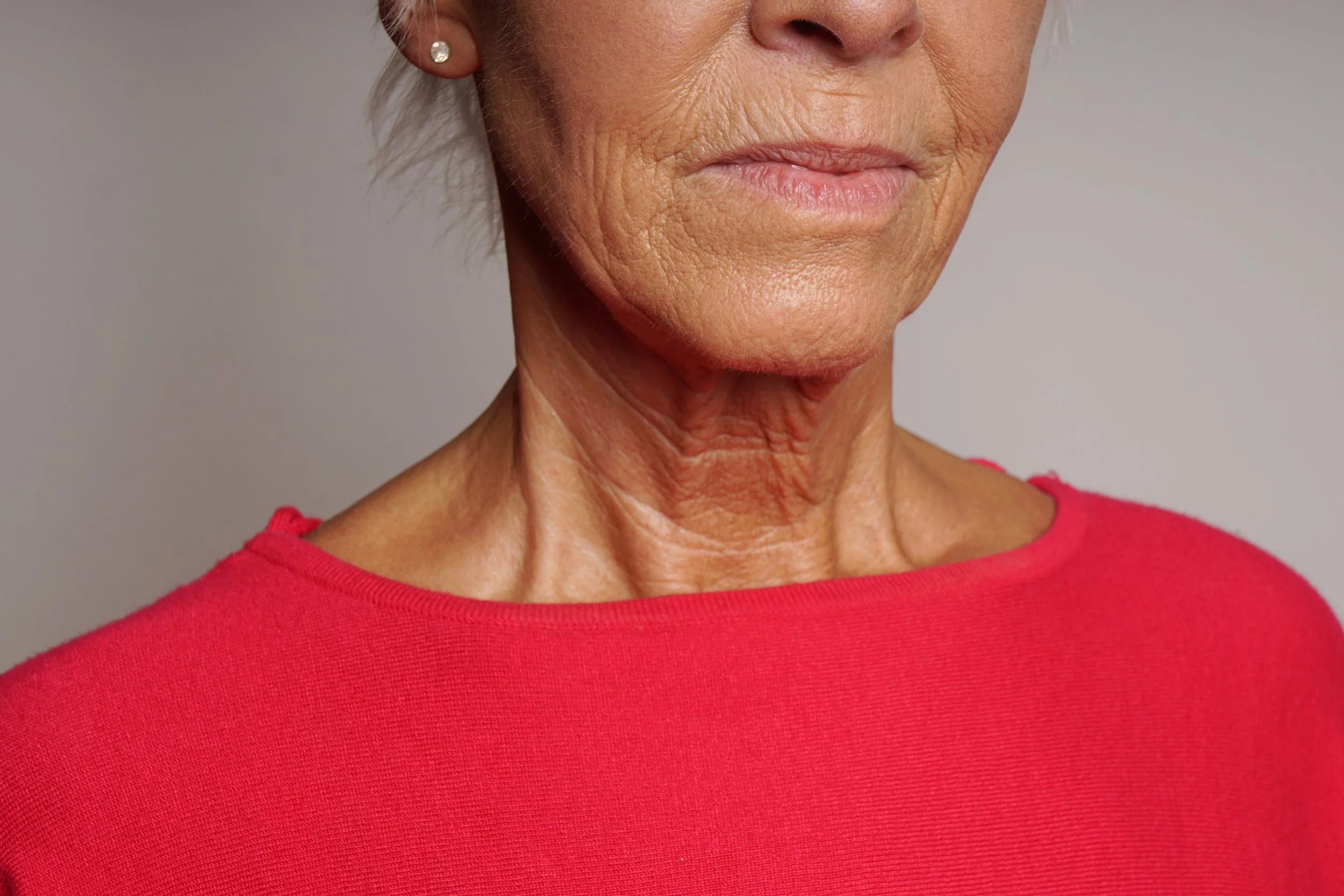
A facelift, known medically as a rhytidectomy or meloplasty, is a surgical procedure that addresses the visible signs of ageing in the face and neck. It targets the underlying structural changes that non-surgical treatments cannot correct, including descended facial soft tissues, deep fold formation, loss of jawline definition, and skin laxity of the neck.
A facelift is a technically complex procedure with multiple components. It is not simply a matter of tightening skin - it involves carefully repositioning and restoring the deeper anatomical layers of the face, including the SMAS (superficial musculoaponeurotic system), to achieve a natural, balanced result that does not appear operated upon.
Dr Ajay Chauhan performs facelift surgery in Brisbane with a deep understanding of facial anatomy, combining surgical precision with an approach that prioritises natural-looking, long-lasting rejuvenation. Facelift surgery may be performed alone or in combination with procedures on the forehead, eyelids, neck, and lips to achieve a harmonious overall result.
What Does a Facelift Address?
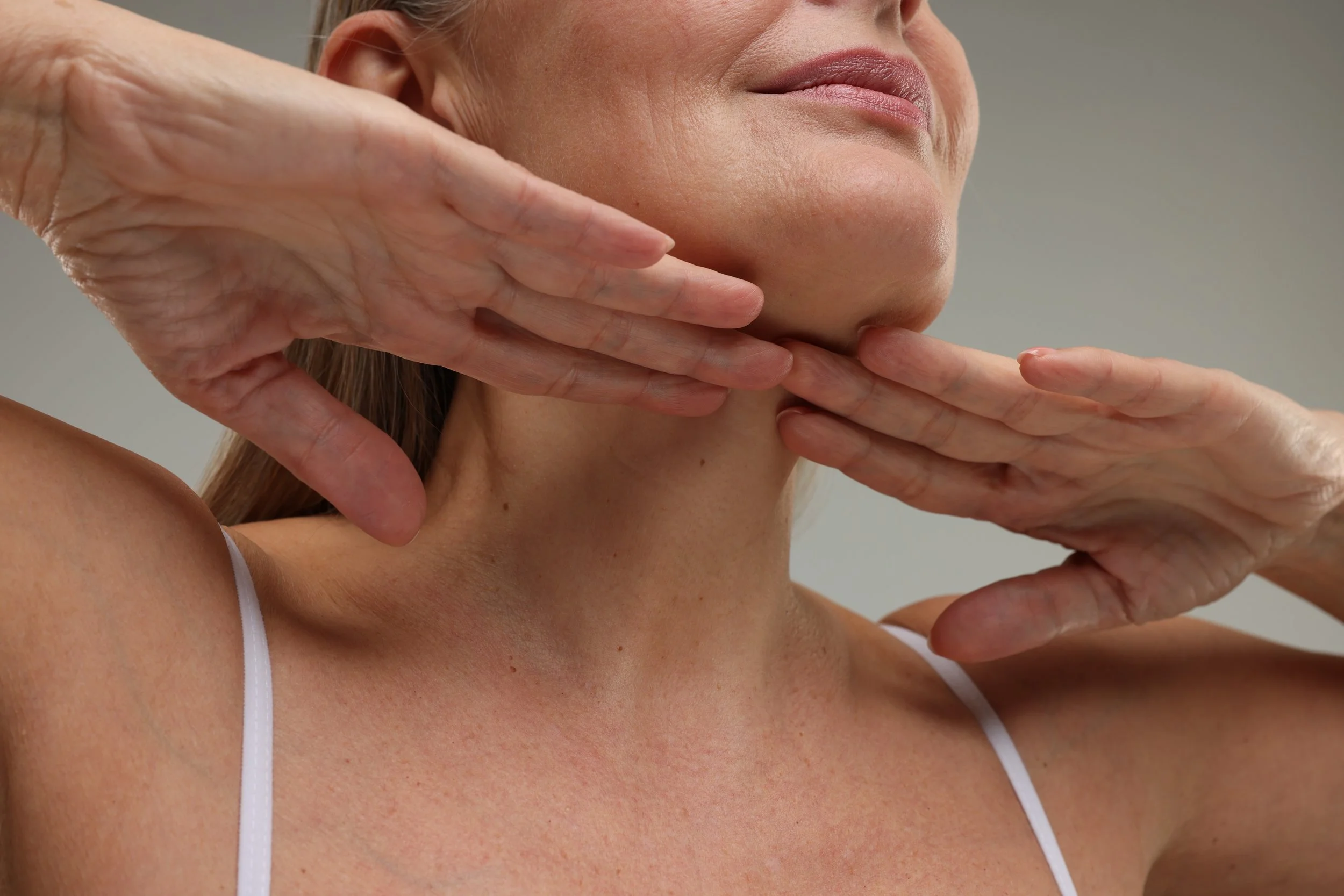
Facelift surgery is designed to address age-related changes in the mid and lower face and neck, including:
Descent of the cheek fat pads, causing flattening of the midface
Deepening of the nasolabial folds (lines running from the nose to the corners of the mouth)
Jowling along the jawline caused by laxity of the lower face and SMAS
Loss of definition at the jaw and cervicomandibular angle
Skin laxity and banding in the neck
Generalised skin redundancy of the lower face and upper neck
A facelift does not address changes to the upper face such as brow descent or eyelid laxity. Where these are also a concern, a brow lift or blepharoplasty may be recommended in combination.
The outcome of a facelift is determined by the depth and quality of tissue repositioning, not by the volume of skin removed. Modern facelift techniques focus on restoring the deeper structural layers of the face - primarily the SMAS - which allows the overlying skin to be redraped naturally without the tell-tale signs of an over-tightened result.
Dr Chauhan's approach addresses the SMAS and deeper facial structures through techniques appropriate to each patient's anatomy and degree of ageing. Incisions are typically placed within or adjacent to the hairline and around the ear, where they are well concealed during healing.
A thorough understanding of facial anatomy is essential to avoid injury to the facial nerve and its branches, which run within the deeper layers of the face. This is one of the key reasons why facelift surgery should only be performed by a qualified specialist plastic surgeon with appropriate training and experience.
Surgical Technique and the Role of Anatomy
Am I a Suitable Candidate?
Facelift surgery may be appropriate if you:
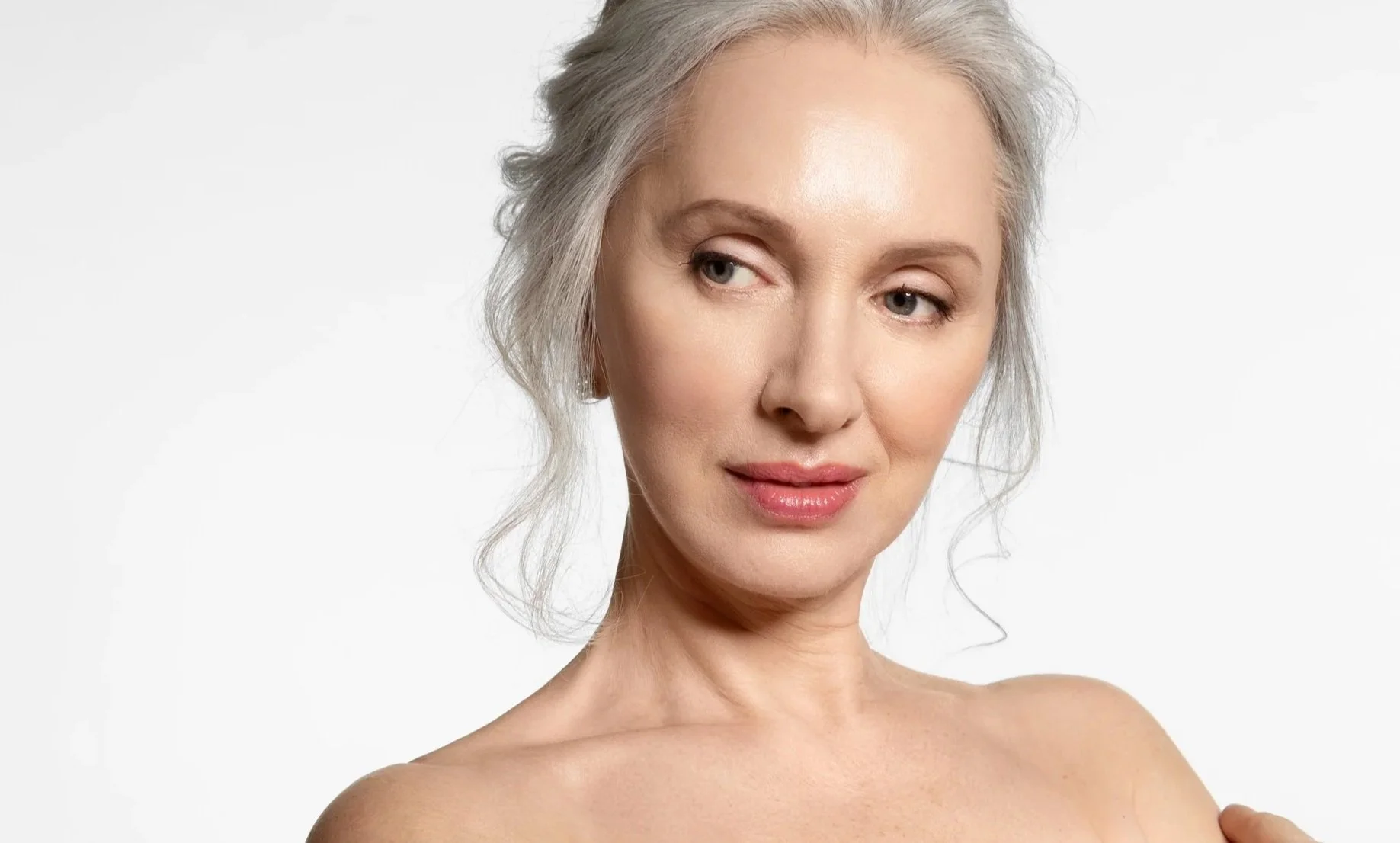
Have visible laxity of the mid face, lower face, jawline, or neck that you wish to address
Are in good general health with no medical conditions that significantly impair healing
Are a non-smoker, or are prepared to cease smoking well in advance of surgery - smoking significantly impairs wound healing and increases complication risk in facelift surgery
Have realistic expectations about the outcomes, longevity, and limitations of facelift surgery
Understand that facelift surgery reduces the signs of ageing but does not halt the ageing process
A thorough consultation with Dr Chauhan is required to assess your facial anatomy, discuss your goals, and develop a surgical plan tailored to your individual presentation.
Combined Facial Procedures
Facelift surgery is frequently combined with one or more of the following to achieve a comprehensive and balanced rejuvenation:
Brow Lift: Addresses brow descent and forehead laxity, which can contribute to a tired or heavy upper face appearance
Blepharoplasty (Eyelid Surgery): Removes or repositions excess skin and soft tissue of the upper and/or lower eyelids
Neck Lift (Platysmaplasty): Directly addresses platysmal banding and skin laxity of the neck, often performed concurrently with facelift
Lip Lift or Augmentation: Addresses the perioral region, which can age independently of the mid and lower face
Fat Transfer: Restores volume to areas of facial deflation, such as the temples, cheeks, and periorbital region, which cannot be corrected by lifting alone
Dr Chauhan will assess each area of the face during consultation and recommend a surgical plan that addresses all relevant concerns in a proportionate and balanced way.
The Surgical Procedure
Facelift surgery is performed under general anaesthesia. Depending on the extent of surgery and whether additional procedures are included, operative time typically ranges from 3 to 6 hours. Some patients require an overnight hospital stay, but many patients can be managed as a day case with the appropriate supports in place
Incisions are placed strategically within the hairline, in front of and behind the ear, and within natural skin creases to minimise visible scarring. The deeper facial tissues are repositioned and secured, excess skin is trimmed, and the skin is redraped without tension. Drains may be used in some cases and are typically removed within the first day or two after surgery.
Recovery from facelift surgery requires patience, as the full result develops gradually over several months. General recovery guidance includes:
Significant swelling, bruising, and tightness are expected in the first 1 to 2 weeks
Most patients feel comfortable presenting in public at 2 to 3 weeks, though some residual swelling persists
Return to sedentary work is typically possible at 2 to 3 weeks
Strenuous activity and heavy lifting should be avoided for a minimum of 6 weeks
Final results, including full resolution of swelling and scar maturation, are visible at 6 to 12 months
Dr Chauhan will provide detailed pre- and post-operative instructions, and follow-up appointments are scheduled at regular intervals to monitor progress.
What to Expect: Recovery Overview
Facelift Surgery Cost in Brisbane
The cost of facelift surgery in Brisbane varies depending on the complexity of the procedure, the number of anatomical areas addressed, whether additional procedures are combined, and theatre and anaesthesia requirements. Facelift surgery is a cosmetic procedure and is not covered by Medicare.
A personalised quote is provided following your consultation with Dr Chauhan. Contact our rooms to discuss costs and what is included in the surgical fee.
Facelift Surgery Consultation
Dr Ajay Chauhan performs facelift surgery in Brisbane. To organise a consultation, submit an enquiry online.
Frequently Asked Questions
-
A mini facelift uses shorter incisions and addresses a more limited area - typically the lower face and jowl - with less dissection of the deeper tissues. It is suited to patients with early or mild laxity who do not yet require the full extent of a standard facelift. A full facelift addresses the mid face, lower face, jawline, and upper neck through deeper tissue repositioning and is indicated for more advanced ageing changes.
Dr Chauhan will recommend the most appropriate approach based on your anatomy and the degree of change you wish to achieve.
-
A well-performed facelift should restore a more youthful version of your own appearance rather than creating an operated or pulled look. The key to a natural result is repositioning the deeper facial structures - not simply pulling the skin.
Dr Chauhan's approach prioritises anatomical restoration over skin tension, which is what produces the most natural and longest-lasting outcomes.
-
Facelift results are long-lasting but not permanent. Ageing continues after surgery, and most patients find their results last between 7 and 10 years before significant re-ageing becomes apparent. Factors that influence longevity include genetics, sun exposure, smoking history, and weight fluctuations.
Some patients choose to have revision or maintenance procedures over time.
-
Yes, and this is common. Facelift surgery addresses the mid and lower face and neck, but does not correct brow descent, eyelid laxity, or perioral ageing. Many patients combine a facelift with a brow lift, blepharoplasty, neck lift, or fat transfer for a more comprehensive result.
Dr Chauhan will assess all areas of the face during consultation and advise on what combination of procedures would be most appropriate for your presentation.
-
As with all surgical procedures, facelift surgery carries risks. These include haematoma (the most common complication), infection, scarring, skin loss, changes in hair growth near incisions, altered sensation, and facial nerve injury - which is rare but the most serious potential complication. Smoking significantly increases the risk of wound complications.
All risks will be discussed in detail prior to surgery.
-
The facial nerve and its branches run within the deeper layers of the face, in close proximity to the structures that are repositioned during a facelift. Injury to these structures can cause temporary or permanent weakness of the facial muscles.
Detailed knowledge of facial anatomy is essential to performing facelift surgery safely and effectively, which is why the procedure should only be undertaken by a qualified specialist plastic surgeon.
-
Most patients require 2 to 3 weeks before feeling comfortable presenting in public. Return to sedentary work is typically possible at this stage. Strenuous activity is restricted for 6 weeks.
Full resolution of swelling and scar maturation takes 6 to 12 months, at which point the final result is visible.
-
Facelift surgery performed for cosmetic purposes is not covered by Medicare. In rare cases where there is a functional indication - such as severe skin redundancy affecting vision or function - a partial rebate may apply to specific components of the procedure.
This would be assessed on an individual basis during consultation.
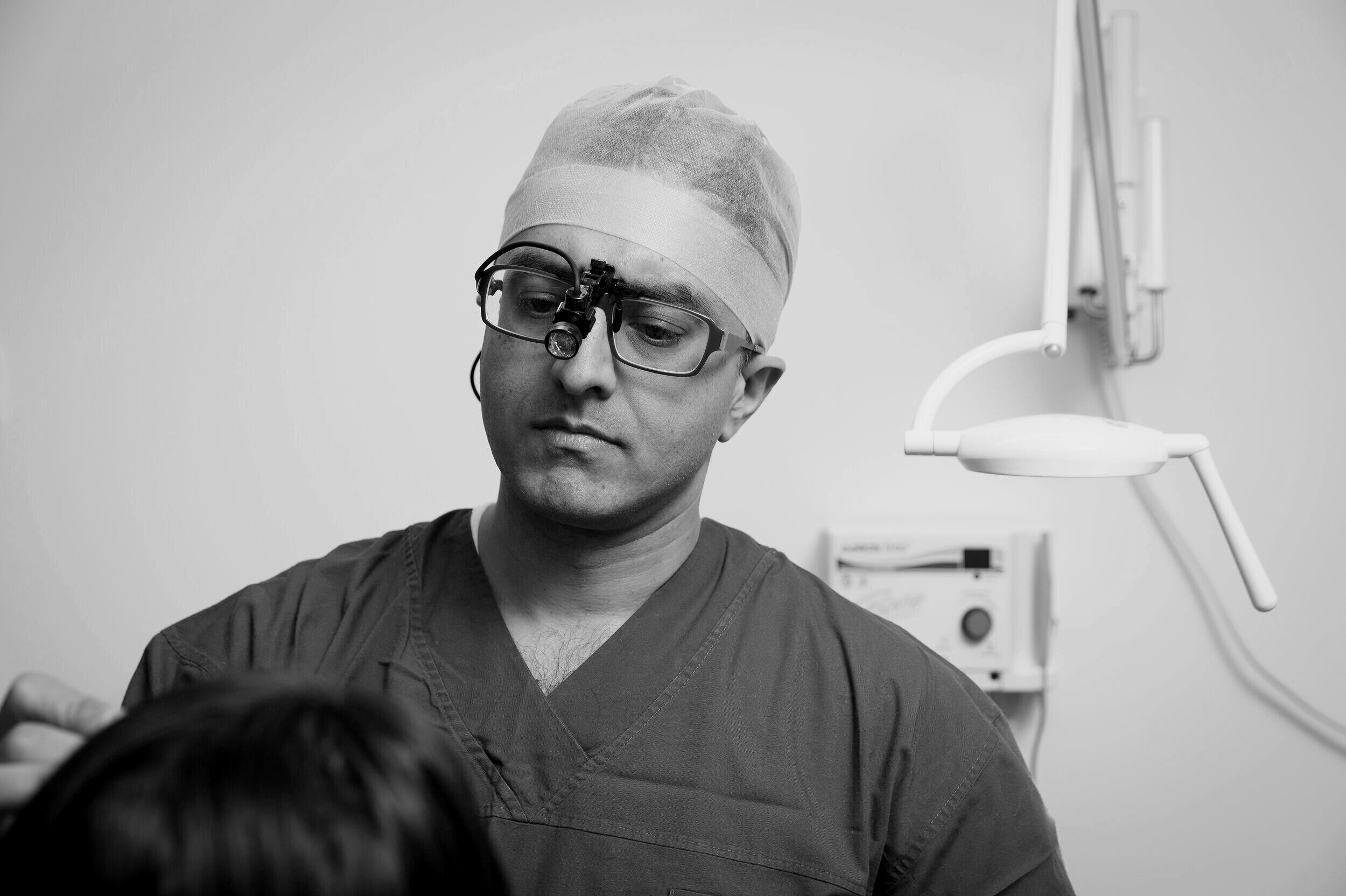
Dr Ajay Chauhan MBBS FRACS
Specialist Plastic Surgeon, Brisbane
Dr Ajay Chauhan is an Australian-trained Specialist Plastic Surgeon with Fellowship of the Royal Australasian College of Surgeons (FRACS). He completed his formal training in Plastic and Reconstructive Surgery in Brisbane in 2012, followed by post-fellowship training in France, Germany, India, and the United States - experience that has informed his approach to facial surgery and his understanding of international surgical techniques.
He is a member of the Australian Society of Plastic Surgeons (ASPS), the Australasian Society of Aesthetic Plastic Surgeons (ASAPS), the American Society of Plastic Surgeons, and the World Society of Reconstructive Microsurgeons (WSRM).
Dr Chauhan consults at Wesley Medical Centre, Auchenflower, and operates at The Wesley Private Hospital, Brisbane Private Hospital, and Westside Private Hospital.
AHPRA Registration: MED0001172663